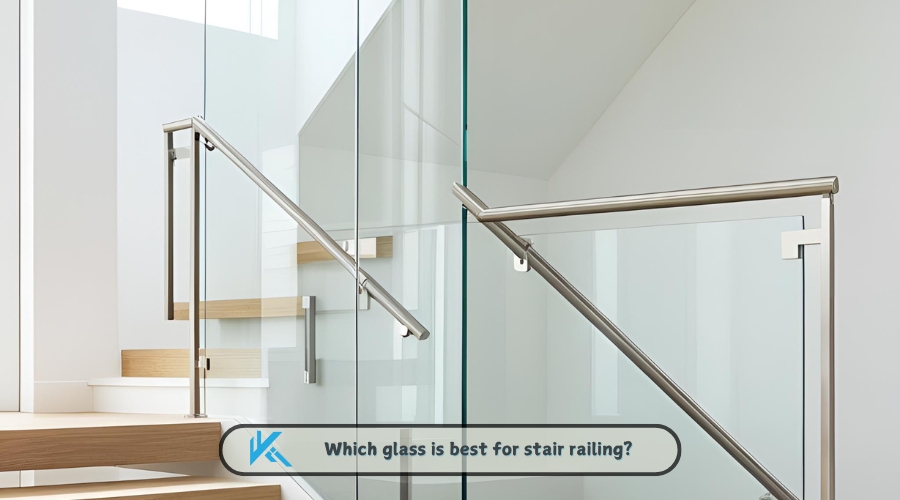
Glass stair railings have also become a signature of modern architecture, conferring an air of sophistication and contemporaneity to commercial as well as residential interiors. Their transparency, and slender profile make them a favorite among designers seeking to produce well-lit, airy, and welcoming spaces. With this trend on the rise, figuring out the right kind of glass to use is key to achieving that ideal combination of style, functionality, and safety.
In this blog, we’ll explore the top types of glass for stair railings, looking at their designs, safety aspects, applications, and expert advice for every setting.
Why Use Glass for Stair Railings?
Glass stair railings are greatly popular in modern designs because of their simple and beautiful look. They let the natural light pass through freely, making rooms spacious and airy. Apart from aesthetics, glass railings are low maintenance, being proof against stains and fingerprints with just a swipe. When the proper glass type is selected, these railings offer impressive durability and safety, meeting building regulations without compromising on style.
Types of Glass Used for Stair Railings:
Tempered Glass
Tempered glass is heat-treated to increase its strength and durability. It reduces the possibility of injury by shattering into tiny dull pieces if it breaks. Due to its cost-effectiveness, and safety features this specific type of glass is the preferred option for stair railings.
Glass Lamination
Two layers of glass are bonded together with a plastic interlayer to create this glass. Even if cracked, it remains intact, avoiding shattering. It also adds additional security, and sound insulation, hence suitable for busy or home use.
Frosted or Etched Glass
Frosted glass provides privacy while being contemporary. It’s particularly ideal for indoor use where a bit of visual separation is called for. Custom designs and patterns are available to perfectly complement your interior decor.
Tinted or Colored Glass
Tinted glass is a great way to elevate the look of your space while minimizing glare and UV rays. It’s perfect for sun-drenched homes or for those wanting to make a bold design statement. Suitable for both indoor and outdoor installations.
Low-Iron (Ultra-Clear) Glass
Low-iron glass provides exceptional clarity with minimal color distortion. Its high transparency makes it a premium choice for luxury homes or high-end commercial spaces where visual perfection is a priority.
Key Factors to Consider When Choosing Glass:
Safety Standards & Building Codes
Ensure the selected glass meets local regulations and safety certifications, especially for elevated or load-bearing installations.
Thickness of the Glass (Typically 10mm–15mm)
Thicker glass panels offer more strength and stability, especially in frameless designs or exterior settings.
Framed vs. Frameless Railing Systems
Frameless systems provide a lean appearance but need more robust, commonly thicker glass. Framed systems can accommodate slightly thinner glass panels, and structural support.
- Indoor vs. Outdoor Use
Weather-resistant and UV-resistant railings outdoors mean using strong, laminated, or UV-coated glass varieties.
- Maintenance Requirements
Although etched or frosted glass finishes may require more frequent cleaning to maintain clarity, smooth glass surfaces are typically low-maintenance.
- Budget and Customization Options
Tempered glass are affordable but depending on the finish, and design that are desired, alternatives like low-iron or custom-etched glass are more expensive.
Best Glass Type Based on Application:
- Indoor Stair Railings: Use tempered or laminated glass with frosted or etched details for a combination of style and privacy.
- Outdoor Railings: Laminated glass with UV stable layers or tinted types perform best with sunlight and weather conditions.
- Luxury Residences or Business Locations: Low-iron glass gives a high clearance, crystal like look that adds sophistication to luxury spaces.
- Family Homes (Children & Pets): Laminated glass is safest because it is shatter-resistant, and provides the added protection of a layer.
Pros and Cons of Each Glass Type:
Tempered Glass
- Pros:
Cheap and durable perfect for daily use in offices, and households.
It is far safer than regular glass because it breaks into tiny blunt pieces.
- Cons:
Not recommended for locations that are sensitive to noise as it offers minimal sound insulation.
Laminated Glass
- Pros:
Laminated glass include its superior safety which lowers the chance of injury by holding it, when it is cracked.
Very good at reducing noise, perfect for urban or commercial areas.
- Cons:
Costs more than tempered glass because of its layered nature.
Frosted/Etched Glass
- Pros:
Does not inhibit natural light but increases privacy.
Can be customized with patterns and designs to add a decorative element.
- Cons:
Slightly harder to clean because of its textured surface.
Tinted Glass
- Pros:
Reduces glare and gives windows, or facades a stylish look.
Prevents harmful UV rays from entering interiors, and furniture.
- Cons:
Makes indoor environments darker, particularly in poor-light environments.
Low-Iron Glass
- Pros:
Provides ultra-clear transparency without any green color, ideal for high-end looks.
Perfect for high-end interiors, display cases and modern architecture.
- Cons:
More expensive than typical glass options.
Expert Suggestions:
Since tempered glass are cost-effective and safe design, experts frequently suggest it for the majority of residential staircases. Laminated glass adds an extra level of security for homes with kids, or pets. Low-iron glass is the preferred choice in commercial, or luxurious environments due to its immaculate purity. Frameless glass installations are trendy for a minimalist aesthetic and custom-etched designs for added personalization. Always use the services of a qualified architect or contractor to integrate the design according to safety regulations, and functional needs.
Conclusion:
In conclusion, a number of considerations, including location, safety, budget, and desired aesthetic effect influence the choice of glass for stair railings. Low-iron glass offers unparalleled clarity, laminated glass improves safety and tempered glass act as an all-arounder. For optimal effects, seek advice from a qualified installer, or architect to make sure the glass you choose complies with building codes and enhances your room.