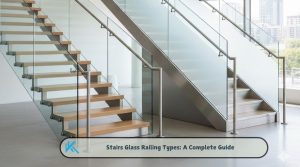
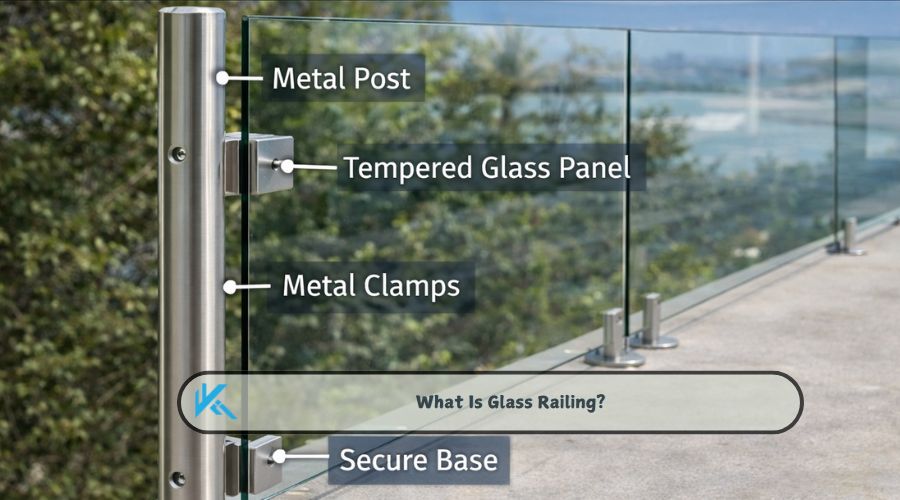
Glass railing is a barrier design with safety glass panels rather than solid metal, or wood bars. It is used along edges, stairs, balconies and open levels to prevent falls while keeping spaces open and bright. In modern architecture, glass railing supports clean design, clear views, and safety measures. This product provides strength, appearance and daily use requirements in one solution. Safety glass ensures impact resistance, while support hardware holds the structure firm under load. This blog explains what glass railing is, how it works, and why it fits today’s buildings. It also covers types, materials, features, uses, safety rules, care needs, and how glass railing compares with traditional systems.
Understanding Glass Railing Systems
Glass railing systems work by fixing safety glass panels to floors, stairs, or walls using engineered supports. The glass acts as the main barrier, while metal channels, posts, or fittings carry loads. Unlike traditional railings that rely on vertical bars, glass systems block falls with a solid panel. This reduces gaps and improves safety in busy areas. Traditional railings often block light, and views due to solid sections. Glass railings helps in keeping the spaces open while meeting safety rules. Glass panels handle impact and wind loads, while support parts manage structural forces. Together, these elements form a stable system suited for homes and commercial buildings.
Types of Glass Railings
Glass railings come in several forms based on support style and visual needs. Each type fits a different design and load condition.
- Frameless glass railing: Frameless systems use thick glass panels fixed at the base. They offer clear views with minimal visible hardware.
- Semi-frameless glass railing: These systems combine glass panels, with limited posts or top rails. They balance openness with added support.
- Framed glass railing: Framed railings enclose glass within metal frames. They provide strong edge protection and clear structure lines.
- Point-fixed (stand-off) glass railing: Glass panels are held using round metal stand-offs. This style suits staircases and features balconies.
- Spigot-mounted glass railing: Glass panels sit in metal spigots fixed to floors. Installation is simple and suits outdoor areas.
Materials Used in Glass Railings
Glass railing performance depends on the materials used in panels and supports. Each material serves a clear role.
- Toughened safety glass: This glass is heat-treated for strength. It breaks into small pieces to reduce injury risk.
- Laminated glass: Laminated glass uses bonded layers. It stays intact even after cracking.
- Stainless steel components: Stainless steel resists rust and holds fittings firmly. It suits indoor and outdoor use.
- Aluminium support systems: Aluminium offers strength with low weight. It resists corrosion and allows clean finishes.
Key Features of Glass Railings
Glass railings offer practical features that support modern building needs. These features serve both safety and design goals.
- Transparency and unobstructed views: Clear glass keeps sightlines open. Spaces feel larger and less confined.
- Structural strength and safety: Safety glass handles impact and load forces. Proper fixing ensures stable performance.
- Corrosion resistance: Glass does not rust, or rot. Metal parts use treated alloys for long life.
- Modern architectural appeal: Clean lines suit current design trends. Glass blends well with steel and concrete.
Applications of Glass Railings
Glass railings are compatible with a wide range of building types due to their adaptable design. The applications range from residential to public spaces.
- Residential balconies and staircases: Glass railings improve safety without blocking views. They work well in open-plan homes.
- Commercial buildings: Commercial structures, such as offices and malls, use glass railings to provide clear movement paths. This ensures safety, and light flow.
- Terraces and rooftops: Glass barriers safeguard the margins of terraces and rooftops, while allowing for clear views of the skyline. Wind loads are managed by design.
- Swimming pool areas: Glass railings act as safety barriers. They resist moisture and allow supervision.
Benefits of Glass Railings
Glass railings improve space quality, while meeting safety requirements. Clear panels make areas feel open and connected. Natural light moves freely through glass, reducing the need for artificial lighting. This supports better indoor comfort. Safety glass offers long service life when installed correctly. It can withstand impact, weather and daily wear. Maintenance is minimal as compared to painted metal, or wood railings. Cleaning consists of simple wiping with conventional cleansers. Hardware checks help to sustain performance over time. The system is suitable for both indoor and outdoor use. These advantages make glass railings an affordable and long-lasting option for many constructions.
Safety Standards and Compliance
Safety concerns can help with the design and installation of glass railings. Certified safety glass resists impact and load. Building codes include minimum heights, and load restrictions to prevent falls. These rules differ according to area and use type. Proper installation is crucial for overall safety. Incorrect fixing can reduce system strength. Professional installation ensures correct spacing, anchoring, and alignment. Regular inspection helps confirm continued compliance. When standards are followed, glass railings offer reliable protection in public and private spaces.
Glass Railing vs Traditional Railing
Glass railings differ from traditional systems in look and use. Traditional railings use bars or panels that block views. Glass systems keep spaces open and bright. Maintenance also varies. Painted metal needs touch-ups. Wood requires sealing and repair. Glass needs cleaning but does not decay. Durability favours glass when safety glass and quality hardware are used. Traditional systems may weaken due to rust or rot. Glass railings maintain performance over longer periods with basic care.
Maintenance and Care of Glass Railings
Glass railing maintenance focuses on both clarity, and hardware quality. Regular cleaning removes dust and watermarks. Mild cleansers preserve glass surfaces. Hardware inspection checks bolts, clamps, and base channels. Loose fittings can affect safety. Outdoor systems need checks after heavy weather. Long-term performance depends on early repair of minor issues. With routine care, glass railings keep their strength and appearance for many years.
Conclusion
Glass railing is a safety barrier that combines clear glass with strong support systems. It protects edges, stairs, and open areas while keeping spaces open and bright. Modern construction prefers glass railing due to its clean look, strength, and low upkeep. It fits homes, offices, terraces, and pool areas with equal ease. When built to code and installed well, it delivers a long service life and reliable safety. For projects seeking quality glass railing solutions, Kavi Fencing offers trusted systems built for performance and design.