
Stainless steel railing fittings have become an essential component in modern architectural and interior design. They are extensively applied in residential, commercial, and industrial environments because of their modern look, high strength, and superior corrosion resistance. For balconies, staircases, decks, or walkways, stainless steel railing fittings ensure safety and aesthetics, and thus are a popular choice among builders, designers, and homeowners.
Choosing the right type of stainless steel for railing fittings is crucial to ensuring longevity, safety, and cost-effectiveness. Considerations like environmental exposure, strength demands, maintenance requirements, and budget constraint all contribute to the determination of the most appropriate material. An informed choice can result in a railing system that not only improves the overall aesthetic appeal of a space but also lasts long with minimal maintenance. In this blog we are going to discuss the most important considerations when choosing stainless steel railing fittings, so you can make the optimal choice for your project.
Understanding Stainless Steel Railing Fittings
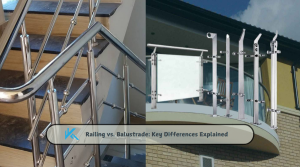
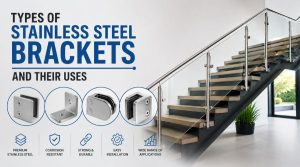
Stainless steel railing fittings are devices employed to construct railing systems such as handrails, balusters, brackets, and connectors. These fittings are vital in ensuring stability, safety, and visual appeal of buildings. They are commonly used in residential houses, office buildings, shopping malls, public areas, industrial buildings, and marine settings.
Benefits of Stainless Steel
One of the primary reasons stainless steel is a top choice for railing fittings is its durability. It is resistant to rust, corrosion, and weathering, making it ideal for both indoor and outdoor use. Furthermore, stainless steel needs low maintenance and can keep its modern and sleek look as the years pass. Its additional advantages are strength, recyclability, and diverse finishing options, that complement different architectural styles.
Key Factors to Consider
Stainless Steel Grades
Two of the most popular stainless steel grades used for railing fittings are 304 and 316.
- Grade 304: Ideal for indoor applications and general outdoor applications where exposure to corrosion is limited.
- Grade 316: Acclaimed for its elevated corrosion resistance, making it appropriate for seashore, industrial, and severe outdoor conditions.
Application Suitability
- Indoor Uses: Grade 304 is usually adequate for interior railings in residential and office buildings.
- Outdoor Uses: Grade 316 is used for railings that are exposed to water, saltwater, and contaminants to provide longer lasting performance.
Corrosion Resistance
Different environments pose varying corrosion risks. Seasides, for instance contain high salt levels, which cause rusting to occur faster if an improper stainless steel grade is employed. Protective coatings such as electropolishing increase resistance to rust, powder coating places a weatherproof coating, and passivation eliminates contaminants to extend lifespan.
Strength and Durability
Structural integrity is paramount for railing systems, particularly in high-traffic locations. The tensile strength of stainless steel guarantees it can bear high loads without deforming or fracturing. High-quality stainless steel railing fittings can last decades with minimal maintenance, making them a cost-effective choice in the long run.
Aesthetic and Design Considerations
Finish Options
- Stainless steel is available in different finishes to suit different tastes in design:
- Polished: Provides a smooth, reflective surface.
- Brushed: Gives a softer, matte finish.
- Satin: Splits the difference between brushed and polished for contemporary appearance.
Customization
Railings can be designed to meet particular design requirements, such as custom shapes, decorative details and customized finishes that add to the general look of a space.
Cost Considerations
While the initial cost of stainless steel railing fittings is greater than for substitutes the long-term advantages outweigh the cost because of long durability and minimal maintenance needs.
Investment in stainless steel of good quality translates into low repair expenditure, long durability, and continuous visual attraction.
Installation and Maintenance
- Prefabricated stainless steel railing systems are designed for easy assembly which reduces labor costs and installation time.
- Regular cleaning with mild detergent and occasional polishing can keep stainless steel railings in good condition. Periodic inspections ensure safety and longevity.
Safety and Compliance
Stainless steel railing systems must comply with safety regulations such as:
- ASTM Standards (American Society for Testing and Materials)
- Building Codes for load-bearing and structural integrity properity
- Having certified material guarantees railing systems’ compliance with safety and quality standards, and it’s comforting for homeowners and builders alike.
Comparing Stainless Steel with Alternative Materials
Stainless steel is not the only material for railing fittings, but it tends to be the most appropriate in comparison to options such as aluminum, wrought iron, and wood.
- Aluminum: While aluminum is lightweight and resistant to rust, it lacks the strength and durability of stainless steel. Additionally, aluminum railings may dent or warp under high stress, making them less suitable for heavy-duty applications.
- Wrought Iron: This product provides a traditional look and is very durable, but it rusts if not well maintained. Wrought iron also needs to be painted or coated regularly to avoid corrosion, which adds to long-term maintenance expenses.
- Wood: Wooden railings create a natural and cozy appearance but are high maintenance to keep them from rotting, warping, or being damaged by insects. Wood also does not provide the same degree of strength or durability as stainless steel.
Pros of Stainless Steel:
- Higher corrosion resistance
- Increased strength and durability
- Low maintenance needs
- Contemporary and slender appearance
Cons of Stainless Steel:
- Increased initial price compared to wood and aluminum
- Professional installation required for intricate designs
Conclusion
Choosing the right stainless steel for railing fittings involves considering such factors as grade choice, corrosion resistance, strength, aesthetics, price, installation simplicity, and industry standard compliance. A well-informed choice ensures stainless steel railings remain both functional and stylish for years. Whether residential, commercial or industrial, the proper stainless steel improves safety, longevity, and aesthetics. Have you employed stainless steel railing fittings in your projects? Share your experience in the comments or contact us for professional advice on how to choose the best stainless steel for your requirements!