Handrails are important elements in many environments, providing safety and support for people as they navigate stairs, ramps and elevated surfaces. Whether in homes, offices or public spaces, handrails help prevent falls and assist those who need stability such as elderly individuals or those with disabilities. The function of a handrail is not solely dependent on the rail itself. The handrail bracket is the often overlooked but essential component that connects the handrail securely to the wall or another surface.
Without handrail brackets, a handrail would be a loose piece of material, whether wood or metal offering little to no stability or safety. In this blog we will explore the importance of handrail brackets, how they work, the types available, materials used, installation tips and more so you can understand their significance and choose the right one for your applications.
Definition of a Handrail Bracket
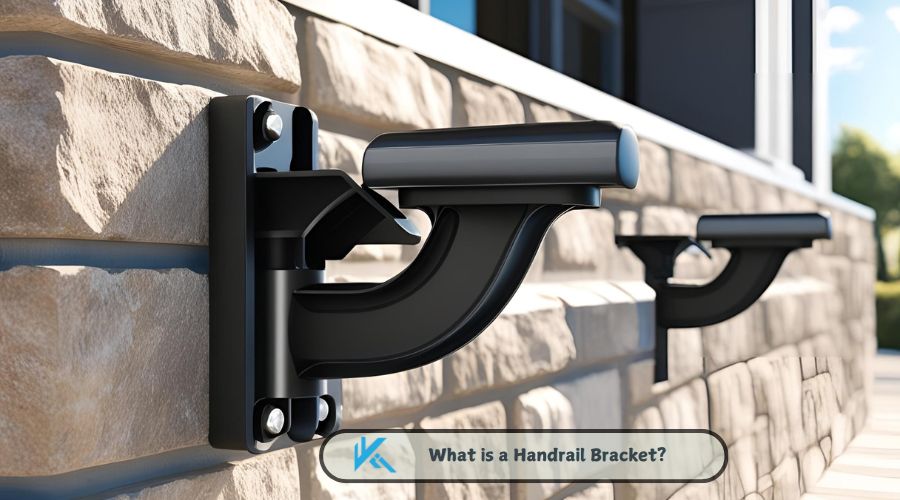
A handrail bracket is a hardware device used to attach a handrail to a wall, post or another support structure. It plays a critical role in keeping the handrail stable and secure. The bracket supports the weight of the handrail, helping distribute the load evenly so it can effectively support the user’s weight when they lean on it.
- Base Plate: This part attaches directly to the wall or the support surface. The base plate ensures that the bracket remains securely fixed to the structure.
- Arm: The arm extends out from the base plate and holds the handrail at the appropriate angle. It provides leverage and support.
- Saddle: The saddle is the part of the bracket that directly supports the handrail itself. It keeps the rail properly in place to prevent it from moving or coming loose.
These components ensure that the handrail is stable, secure and able to bear weight as intended.
Key Functions of Handrail Brackets
The primary function of a handrail bracket is to support the handrail and keep it attached to a surface. There are several other key functions that handrail brackets serve making it essential in ensuring safety and stability:
- Support & Load Distribution: Handrails are frequently subjected to force, whether from people leaning on it or from other pressure exerted during use. Handrail brackets help distribute this weight evenly across the wall or supporting structure. This prevents strain on any one point, ensuring the entire handrail system remains secure.
- Safety & Compliance: In many jurisdictions, building codes and regulations has specific requirements for the installation of handrails, including the height, shape and strength of the handrail. Properly installed handrail brackets ensure compliance with these building codes, thus providing safety for individuals. A handrail that is not securely attached can lead to dangerous accidents making brackets essential for safe use.
- Aesthetic Appeal: While their primary function is practical, handrail brackets can also contribute to the visual appeal of the space. Many handrail brackets are designed with aesthetics in mind, blending in with the overall style of the room. A well-chosen bracket can complement the design of the handrail, creating a smooth look that enhances the décor of the space.
Types of Handrail Brackets
Handrail brackets come in various styles each designed for different applications and needs. Here are some common types of handrail brackets:
- Wall-Mounted Brackets: These are the most common and traditional type of handrail bracket. It is directly mounted to the wall and is ideal for most residential and commercial applications. It is straightforward to install and provide reliable support for handrails.
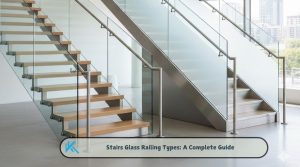
- Glass-Mounted Brackets: Glass-mounted brackets are designed for use in modern settings where the handrail is attached to glass panels. They either clamp onto the glass or bolt through it allowing for the sleek, transparent look that is popular in contemporary designs.
- Adjustable Brackets: These brackets allow for custom angle adjustments, making them perfect for staircases or angled surfaces. Adjustable brackets are useful when the handrail needs to align with the staircase or a ramp.
- Flush-Mount Brackets: For those who prefer a cleaner, more minimalistic look, flush-mount brackets provide a hidden solution. These brackets are installed in such a way that they are not visible, offering a seamless, modern appearance.
- Decorative Brackets: These brackets feature artistic designs, adding a touch of elegance and style to the space. They are available in various styles, including antique, modern and artistic designs which allow homeowners and designers to match their handrails to their decor.
- Heavy-Duty Brackets: These brackets are designed for commercial or industrial environments where higher weight capacities are required. Heavy-duty brackets are ideal for high-traffic areas and provide extra stability and security.
Common Materials Used
The material of the handrail bracket determines its strength, appearance and durability. Here are some common materials used for handrail brackets:
- Stainless Steel: Known for its strength, rust resistance and modern look, stainless steel is one of the most popular materials for handrail brackets. It is durable and can withstand heavy use, making it ideal for both indoor and outdoor installations.
- Brass: Brass has a classic, premium appearance and is often used for vintage or traditional designs. While softer than stainless steel, brass has a rich, luxurious finish that is well-suited for upscale interiors.
- Aluminum: Lightweight, rust-proof and easy to install, aluminum is a great choice for residential use. It is cost-effective, making it a popular option for homeowners seeking an affordable yet durable solution.
- Wrought Iron: Wrought iron is known for its strength and traditional aesthetic. It is commonly used in vintage and antique style handrails but may need a protective coating to prevent rust over time.
- Zinc or Chrome-Plated: These materials offer a sleek, polished finish and are often used for indoor applications. Zinc or chrome-plated brackets provide a stylish, contemporary appearance.
Applications / Where Handrail Brackets are Used
Handrail brackets are used in a wide range of environments, providing stability and safety wherever handrails are needed. Some of the most common applications include:
- Homes: Handrail brackets are typically used in staircases, bathrooms and decks. They ensure the handrails remain secure and support users when they navigate these areas.
- Offices and Commercial Spaces: In commercial environments, handrail brackets are used to secure railings in stairways, corridors and elevators ensuring that employees, visitors and customers are safe while moving through the building.
- Public Infrastructure: Handrail brackets are found in ramps, walkways, transit stations and other public spaces. It provides accessibility for individuals with mobility challenges and ensures safe passage for all.
- Outdoor Spaces: Handrail brackets are also used in outdoor spaces like patios, balconies and decks. It provides additional support for outdoor railings which are exposed to the elements.
How to Choose the Right Bracket
Choosing the right handrail bracket is essential for both the functionality and aesthetics of your railing system. The first factor to consider is the material of the bracket. If you’re installing the handrail outdoors or in a high-humidity environment, stainless steel or aluminum is a great option because it is rust-resistant and durable. For indoor applications, you may prefer brass for its elegant, vintage look or wrought iron for a more traditional appearance. Consider the weight capacity of the bracket. Ensure that the bracket can support the weight of your handrail and the force it can bear, especially for heavier materials like wood or metal. The design of the bracket is also an important consideration. Choose a bracket that complements the style of the handrail and the overall décor of the space. For a sleek and modern look, flush-mount or glass-mounted brackets might be ideal, while decorative brackets add character and charm. Think about the installation process. Some brackets are easier to install than others and you should choose one that suits your DIY skills.
Installation Tips
Proper installation of handrail brackets is crucial for safety and stability. Start by measuring the spacing for your brackets. They should be placed about 36–48 inches apart to ensure that the handrail is adequately supported. To avoid an uneven installation, always ensure the handrail is straight before securing the brackets. If you’re installing the brackets on drywall, use appropriate wall anchors to ensure the bracket is firmly attached. It’s also important to anchor into studs or solid backing rather than just the drywall to ensure maximum support. Standard handrail height is typically between 34–38 inches from the floor, so make sure to install the brackets at this height for comfort and compliance with safety standards. During installation, carefully drill to avoid damages the wall and always tighten the screws securely.
Maintenance & Care
To extend the life and maintain the performance of your handrail brackets, regular maintenance is key. For stainless steel or aluminum brackets, simply wipe them down with a cloth and a cleaner to remove dust and grime. Avoid harsh chemicals that could damage the finish. It’s also important to check the screws regularly to ensure they remain tight. Loose screws can cause the brackets to become unstable and may lead to the handrail becoming detached. If any brackets show signs of rust, cracks or damage replace it immediately to maintain the integrity of the handrail system. For outdoor installations, protect the brackets by applying a protective coating to prevent weather related damage, such as rusting due to exposure to moisture.
Conclusion
Handrail brackets are essential for ensuring the safety, functionality and aesthetics of a handrail system. Whether you’re installing them in your home, office or public infrastructure choosing the right bracket ensures that your handrails remain secure and stable. Proper installation and maintenance will keep your brackets in optimal condition for years providing long-term safety and support for everyone. Investing in quality handrail brackets is a smart choice for both performance and design.